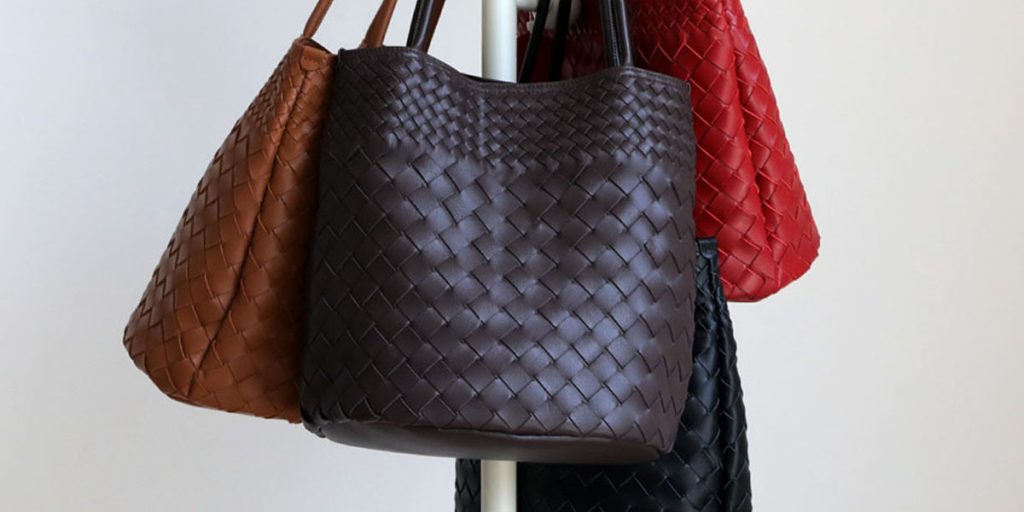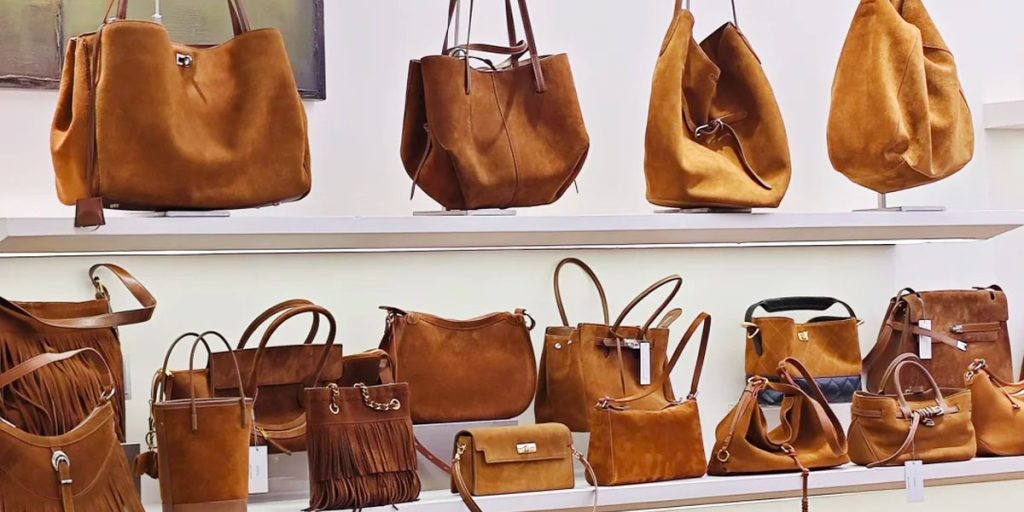
So your boutique needs fresh stock, or your online store is running low, and someone told you to go to Shiling. “It’s where all the bags come from.” That’s true. But what nobody tells you is how to actually work this place so you leave with the right bags at the right price, instead of just a headache and two overpriced samples.
I’ve watched buyers walk into these markets for years. Some fly home with a season’s worth of best-sellers. Some wander around for three days, take 300 photos, and leave empty-handed. The difference is usually preparation and knowing how the market actually works.
Here’s what to expect, and how to shop smart.
What Shiling Is, and What It Isn’t
Let’s get this straight first. Shiling is not a luxury goods district. It’s not a handful of curated showrooms. It’s a sprawling manufacturing town about an hour north of Guangzhou city centre where, quite literally, tens of thousands of bag styles are on display across multiple multi-storey wholesale complexes.
You won’t get champagne service. You won’t get brand-name packaging. What you will get is direct access to factory-direct pricing, an overwhelming variety of styles, and the very real possibility of finding your next best-sellers before your competitors do.
The market serves everyone from African bulk buyers filling containers to European boutique owners picking 30 pieces across six styles. Your experience depends entirely on what you’re here for, and how you move.
The Key Wholesale Malls, Ranked by What You’ll Actually Find
Not all buildings are equal. Here are the ones that matter for a ladies’ bag buyer:
1. Shiling No.1 Leather Goods City (狮岭壹号皮具城)
This is the flagship. Multiple floors, well-lit corridors, and stalls that look more like mini showrooms. You’ll find mid-to-high-end styles here — bags that could sit in a Copenhagen concept store without anyone questioning their origin. Vendors tend to be more experienced with Western buyers, so English is slightly less of a struggle. Prices are a touch higher than elsewhere, but the quality and consistency justify it if your customers expect clean finishes and decent hardware.
What to look for here: structured handbags, micro bags, quilted styles, anything with a “quiet luxury” feel. The trends you see on European fashion weeks usually show up here about six weeks later, often in surprisingly good executions.
2. Junjie Leather Goods Market (俊杰皮具城)
Two streets over and noticeably grittier. Lower ceilings, narrower aisles, more noise. But also more variety, younger stall owners, and better odds of finding someone willing to do a small test order. This is where you go if you want quirky evening bags, Y2K-inspired shoulder bags, or something that screams for Instagram. Quality varies wildly — one stall will have flawless stitching, the next will have glue marks. Touch everything.
3. Lionrise International Leather Goods City (狮岭国际皮具城)
More of a mixed-use complex, with finished bags alongside hardware and material suppliers. Worth a morning if you’re considering customising existing styles — changing a chain strap, swapping hardware finishes, or adjusting colours. The presence of material suppliers nearby means you can literally pick a bag in one stall, take it to a leather supplier two floors down, and ask “can you match this in blush pink?”
How to Shop Without Getting Overwhelmed
The number one mistake first-time buyers make is trying to see everything. You can’t. You’ll shut down by lunchtime. Instead, treat this like a curated sourcing mission.
Day 1: Scan, Don’t Buy
Walk No.1 City and Junjie with your phone out. Photograph the stall number before every bag photo so you can trace it back later. Collect WeChat contacts and ask for digital catalogues. The goal of Day 1 is to build a shortlist, not to negotiate.
By evening, go through your photos and flag a maximum of 10-12 styles that fit your customer profile. Rule of thumb: if you can’t picture exactly who would buy it and for what occasion, it stays off the list.
Day 2: The Real Shopping Begins
Return to your shortlisted stalls. Now you negotiate. This is where having WeChat from Day 1 helps — you’ve already broken the ice.
Key phrases to use:
- “What’s your wholesale price for 50 pieces mixed across these three styles?”
- “Can you do my label inside, and what’s the MOQ for that?”
- “If this style works, I’ll reorder monthly. Can we work out a tiered price?”
Most stalls will quote you a starting price that has 10-15% of air in it for bulk orders. For small mixed orders, don’t expect miracles — they know your 50-piece trial isn’t their biggest sale, and that’s fine. Build the relationship first.
What Actually Moves at Negotiation Time:
- Mixed-style orders (picking 5 styles, 10 pieces each) will always cost more per unit than taking 50 of one style. Compromise if you’re testing: limit to 2-3 styles to get a better rate.
- Hardware upgrades (changing from shiny gold to matte black) are usually easy and free if the factory already stocks the alternative.
- Custom colours on existing designs often need minimum 100 pieces, sometimes more. Ask before you get attached to an idea.
What to Bring with You
A few things that make the difference between looking like a pro and looking like a tourist:
- A large tote bag or small suitcase — for samples, swatches, catalogues, and the occasional random purchase you didn’t plan on.
- A measuring tape — stall owners are famous for saying “about 25 centimetres” when the strap drop is actually 18. Measure.
- A power bank — you’ll drain your phone by 2pm from photos and WeChat scanning.
- Cash (RMB) — for small samples, snacks, and the motorbike taxis if your feet give up. Most larger payments happen via WeChat or Alipay, but cash is still useful.
- Your customer’s voice in your head — don’t buy what you personally love. Buy what your customers will actually reach for on a busy morning. That’s a harder instinct to train than any negotiation skill.
Quality Traps to Watch For
Shiling quality is genuinely good at the mid-to-upper levels, but not every bag in every stall is a winner. In a single day, you’ll touch bags that feel worth triple their wholesale price, and bags that feel like they belong at a clearance bin.
Run your fingers along every seam. Open and close every zip, slowly. Check the hardware weight — lightweight clasps and thin chain straps are cost-cutters that show. Smell the bag if you can get away with it politely; a strong chemical smell usually means the PU won’t age well.
The stalls know their quality level. If you ask directly, “is this for domestic market or export quality?” — they’ll often tell you honestly. They’d rather you be happy and reorder than take one bad batch and disappear.
Getting Your Stock Home
Most buyers arrange shipping through their own freight forwarder, but every stall in Shiling has a recommended shipper who knows the drill. Air freight for a small test batch will get stock to most Western countries in 5-8 days. Sea freight is cheaper but slower — budget 25-35 days to the UK, 30-40 to the US East Coast.
If you’re buying finished stock off the shelf, the stall typically hands it over within a day or two. If you’re adding labels or customising anything, expect 7-15 days turnaround before it’s ready to ship. Plan your flight home accordingly, or arrange to have everything sent to your forwarder’s warehouse for consolidation.
When You Should Visit in Person vs. Just Browse WeChat
A lot of buyers now do their first purchase entirely through WeChat — scrolling catalogue photos, asking for detail shots, and trusting the stall to ship good pieces. It works sometimes.
But I still tell anyone serious about building a consistent handbag line to visit at least once. There is no substitute for feeling the weight of a bag in your hand, seeing how it sits when worn, and looking a vendor in the eye when you shake on a trial order. The relationships built face-to-face in Shiling tend to lead to first pick on new samples, pricing flexibility down the road, and a much lower chance of disappointing surprises in your shipment.
So book the flight. Do your homework. And when you land, spend Day 1 doing nothing but looking and touching and photographing. The buying will follow naturally.
If you’re planning a sourcing trip to Shiling and want to know which wholesale buildings currently have the best ladies’ stock, feel free to get in touch. We’re on the ground here and happy to point you in the right direction.